Active History is hiring a part-time site manager. Come work with us! Site Manager, Active History Qualifications: Duties: Reports to: the editorial collective of Active History (represented by two editors) Hours and pay: 10 hours per week. Pay commensurate with education and experience. $26-30 per hour, plus benefits. Duration: 1 year contract with possibility of renewal for up to 3… Read more »
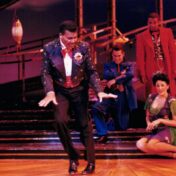
Joey Hollingsworth (b. 1936) is a tap dancer, creative force and one of the first Black performers on CBC television. Joey danced in the era of medicine shows, big bands and civil rights. He was backed by the Samuel Hershenhorn Orchestra on CBC (1954), directed by Norman Jewison – CBC Special Christmas with the Stars (1956); and acted with black… Read more »
In recent years, teachers and heritage professionals have wrestled with the question of when and how to provide alerts about materials that students or users might find difficult to navigate. This is the first in a three-part Active History series on the subject of content warnings that elaborates the crucial processes and approaches that inform this work. Jo McCutcheon …to… Read more »
Ian Alexander This is the fourth entry in a monthly series on Thinking Historically. See the Introduction here. In the 1990s a confluence of social, economic, and political conditions created a market for international education to expand in a multitude of ways around the globe. For those in communities across Canada, the internationalization of education has been most visible in… Read more »
This is the fourth entry in a monthly series on Thinking Historically. See the Introduction here. Rebecca Evans Our conceptions about good citizenship vary. Context, particularly space and time, matter. In citizenship education, young people participate and deepen their understanding of how to make change in their communities. They do so across various domains, inclusive of formal politics, political advocacy, civic… Read more »
This is the third entry in a monthly series on Thinking Historically. See the Introduction here. Harrison Dressler “ALL THE EVIDENCE DEMANDED,” read an article published in the Toronto Globe on February 2, 1917. Written by two former students—R.F. Henderson and Byron G. Derbyshire—the article alerted the Canadian public about an investigation into the Ontario School for the Blind (OSB),… Read more »
Daniel R. Meister In July 2023, former adherents of a religious movement went public with concerns that Christian conservatives in New Brunswick were “more radical than they seem.” The specific context was a political controversy surrounding Policy 713 on LGBTQ+ students in public schools. In its coverage of Policy 713 and the conservative Christian reaction to it, the CBC reported… Read more »
Forrest Pass Collecting made me a historian. A few months ago, in the course of my work as a curator at Library and Archives Canada, I came across a letter from Francis Parkman to Dominion Archivist Douglas Brymner and it made me smile, because my first “acquisition” as a child philatelist had been a stamp commemorating “Francis Parkman – American… Read more »
By John C. Walsh The report of the CHA Task Force on the Future of the History PhD in Canada is now available (in English and in French). This is the sixth in a series of posts by Task Force members, offering their perspectives on selected themes from the report. Activehistory.ca encourages readers to join in the conversation, either in the comments… Read more »
By Will Langford The report of the CHA Task Force on the Future of the History PhD in Canada is now available (in English and in French). This is the third in a series of posts by Task Force members, offering their perspectives on selected themes from the report. Activehistory.ca encourages readers to join in the conversation, either in the comments or… Read more »