By Mark Humphries In the last few months, there has been a growing debate about how historians should respond to AI. And that’s a good thing. I’ve argued that we need to engage with the technology or risk becoming irrelevant. Recent pieces in Active History by Mack Penner and Edward Dunsworth make the case for why we should approach AI… Read more »
Edward Dunsworth Two approaches dominate discussion about how professors should handle generative “artificial intelligence” in the classroom: give up or give in. Give up. Faced with a powerful new technology custom-cut for cheating, many professors are throwing up their hands in despair. This was the dominant mood of last month’s widely shared New York Magazine article. “Everyone is cheating their… Read more »
In August 2024 representatives from multiple online history projects, universities, and public history institutions met in London to discuss key topics in online knowledge mobilization. Over the next several months attendees will publish essays reflecting on the topics we discussed. In the meantime, here are some open-access resources that intersect with workshop content.
By Alan MacEachern I drew, when I was a kid. I drew goalies and traded them for hockey cards with guys in my class. I drew horses and gave them to girls, no exchange required. But as chapter books replaced pictures books, school drilled into me the hegemony of text. As I got older, because my drawing didn’t improve –… Read more »
To the extent that we as historians accept as settled the first order questions about AI and instead opt to talk about nuanced details of implementation, I think we risk a very serious mistake. Here, then, I want to publicly state my view of AI and its use in history, and to do so without any qualification. I hate AI.
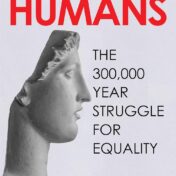
Alvin Finkel Since the 1970s the proliferation of social histories has challenged once-dominant historical paradigms focused narrowly on elites and ignoring or diminishing women, colonized peoples, workers, and farmers as unworthy of consideration as agents of social change.[1] A sole dependence on archival sources for historical research had favoured the literate few and dismissed pre-literate societies as “prehistoric.” Reliance on such… Read more »
By Fionnuala Braun Every month, my team at SPHERU (Saskatchewan Population Health and Evaluation Research Unit) meets to discuss the progress of our work and share professional development ideas. At the first meeting of the year, we all had to tell a bit about ourselves: our name, degree, and what project we were assigned to. Working around the room, it… Read more »
Active History is on its annual August hiatus. In honour of syllabus-writing season, we are reposting a selection of teaching-related articles from the past year. Today’s repost features Paul McGuire’s 2 November 2023 article. While you’re here, we also invite you complete our survey. Paul McGuire This is the second entry in a monthly series on Thinking Historically. See the Introduction… Read more »
Active History is on its annual August hiatus. In honour of syllabus-writing season, we are reposting a selection of teaching-related articles from the past year. Next up is Erica L. Fraser’s piece from 21 February 2024. While you’re here, we also invite you complete our survey. This is the second in a three-part series on the use of content warnings… Read more »
Active History is on its annual August hiatus. In honour of syllabus-writing season, we have decided to repost a selection of teaching-related articles from the past year. First up is Jo McCutcheon’s piece on trauma-informed teaching, first published on 20 February 2024. While you’re here, we also invite you complete our survey. In recent years, teachers and heritage professionals have… Read more »