By Edward Dunsworth Order has been restored to the campus of McGill University. Gone is the tent village, its perimeter fence adorned with a multilingual cacophony of banners decrying genocide and crying out for peace and freedom. Gone is the “Free Store,” the “Profs 4 Palestine” tent, and the video monitor screening documentaries. Gone too is the mud, everywhere and… Read more »
Doing publicly engaged research isn’t easy, but it was central to Parr’s scholarship and philosophy.
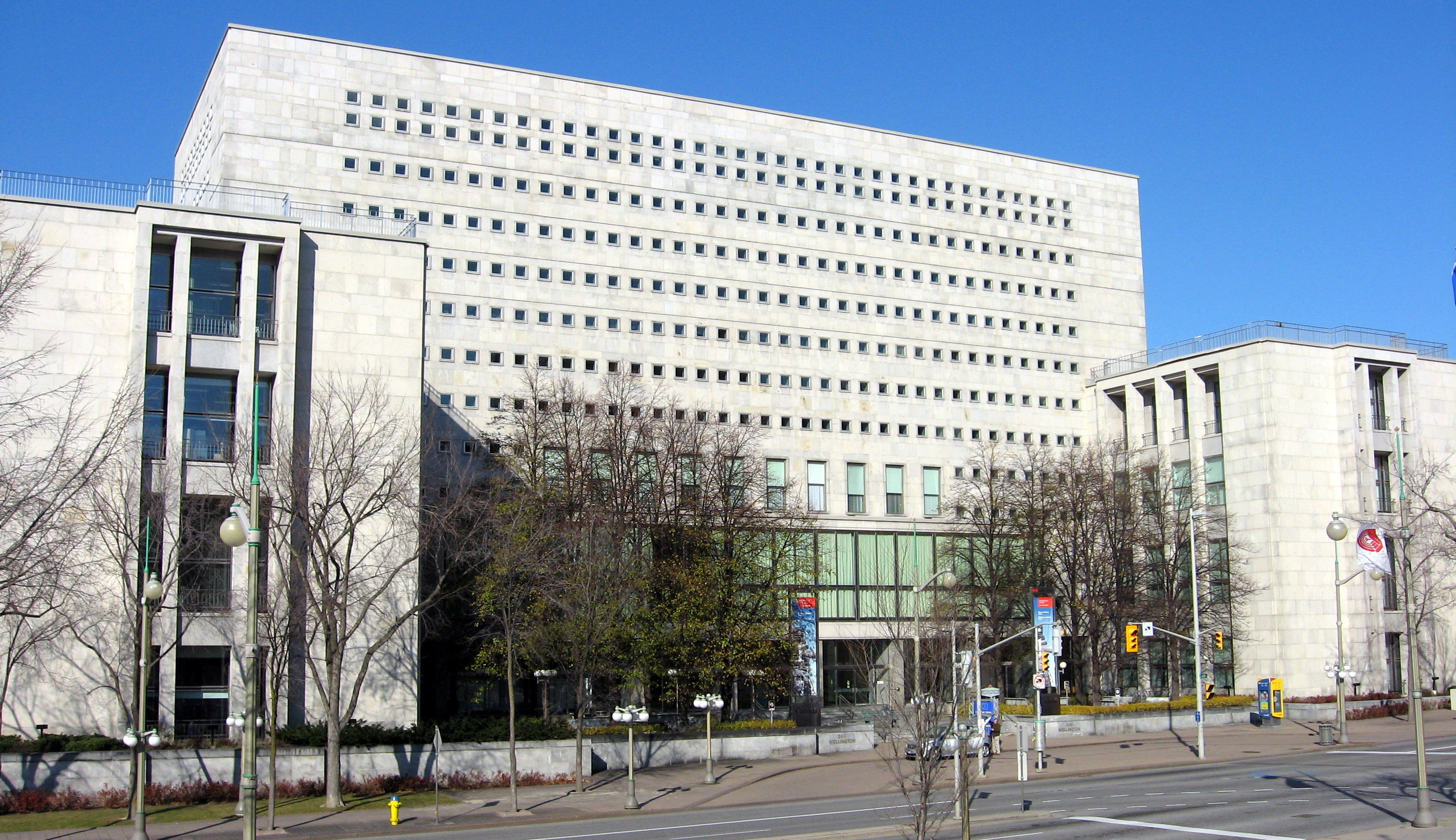
Greer positions the absence of context, connections between collections, and supports that reflect the nuance of archival research as LAC being “determined to hide the results of their past efforts from the eyes of researchers”. In actuality, what is unfolding is a predictable outcome of an impossible situation and the absence of an adequate number of trained professionals to provide anything better.
In fairness to LAC, I recognize that their problems are rooted in chronic underfunding. That and a succession of governments measuring their success with inappropriate metrics. While wishing that management had made different choices under the pressure of inadequate financing, I also wish they were not forced to choose between outreach and basic archival services.
Sara Wilmshurst First off, I’d like to bless the Internet Archive for preserving human folly. The paper under review today has been scrubbed from its original home but lives on in infamy through the Wayback Machine. I am speaking of “On the Challenges of Dating and Marriage in the New Generations,” published under the name of Benyamin Gohjogh. It made… Read more »
It is as if LAC had shoveled its digitized material out into a virtual dumpster and invited researchers to dive in. There are indeed treasures to be found here, but systematic research is out of the question.
Tifanie Valade This is the fifth entry in a monthly series on Thinking Historically. See the Introduction here. While history classes are often viewed as a neutral, apolitical venue for the transmission of “facts” about the past, history education is in fact a value-laden enterprise that seeks to construct and communicate overarching national narratives and national identities. Such narratives often… Read more »
This is the second in a three-part series on the use of content warnings in classrooms, archives, and museums. You can read the first entry here. Erica L. Fraser Looking back, I probably began using content warnings for students after giving myself night terrors from reading the memoir of a Holocaust survivor as class prep. I was on an evening… Read more »
In recent years, teachers and heritage professionals have wrestled with the question of when and how to provide alerts about materials that students or users might find difficult to navigate. This is the first in a three-part Active History series on the subject of content warnings that elaborates the crucial processes and approaches that inform this work. Jo McCutcheon …to… Read more »
Ian Alexander This is the fourth entry in a monthly series on Thinking Historically. See the Introduction here. In the 1990s a confluence of social, economic, and political conditions created a market for international education to expand in a multitude of ways around the globe. For those in communities across Canada, the internationalization of education has been most visible in… Read more »