Erin Gallagher-Cohoon In this morning’s post, I focused on how parliamentarians were invoking a sense of history and nationalism to argue both for and against legalizing same-sex marriage. In this post, I explore the history that is often left unsaid in this debate: the history of queer parenting. By 2005, when many parliamentarians were arguing that marriage rights should not… Read more »
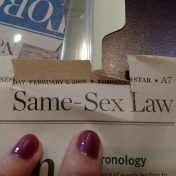
Erin Gallagher-Cohoon In 2005, Canada became the fourth country in the world to legalize same-sex marriage. During the House of Commons’ debates on Bill C-38, an act respecting certain aspects of legal capacity for marriage for civil purposes, parliamentarians on both sides argued that what they were contemplating doing was unprecedented; whether a brave or a reckless act, it was… Read more »
https://activehistory.ca/wp-content/uploads/2019/09/History-Slam-135.mp3Podcast: Play in new window | DownloadBy Sean Graham With the federal election campaign in full swing, the environment has emerged as a prominent issue for the parties vying to form the next government. The news of hundreds of young Canadians pledging not to have children until Canada takes significant steps towards addressing its carbon emissions highlights how environmental policy… Read more »
By Rebecca Lazarenko When Canadians consider the French-Canadian experience of the First World War, what most often comes to mind is the opposition of French Canadians in Québec to conscription, and the war itself more broadly. Very few Canadians consider that there were multiple francophone communities outside of Québec and that their experiences during the war varied. Even fewer consider… Read more »
By Daniel Rück and Valerie Deacon According to Gregory Stanton, president of Genocide Watch, the eighth stage of genocide is denial. Perpetrators of genocides will do what they can to destroy evidence, intimidate witnesses, blame victims, block investigations, and change the narrative. No one wants to be remembered for having committed genocide, and few citizens of a country can easily… Read more »
Editors at Active History have been discussing the conclusions of the National Inquiry into Missing and Murdered Women and Girls since they were released earlier this month. In thinking of the best way to amplify the findings laid out in the report, “Reclaiming Power and Place: The Final Report of the National Inquiry into Missing and Murdered Women and Girls,”… Read more »
https://activehistory.ca/wp-content/uploads/2019/06/History-Slam-133.mp3Podcast: Play in new window | DownloadBy Sean Graham The theme for Toronto Pride this past weekend was ‘FREEDOM.’ The theme was selected, in part, to commemorate the 50th anniversary of the Stonewall Riots. Widely seen as the impetus towards the modern gay rights movement, the uprising in New York City overshadows another event in the movement’s history that is… Read more »
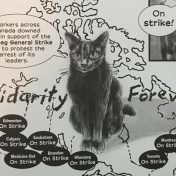
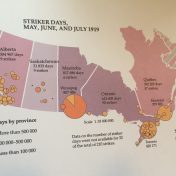
Sean Carleton and Julia Smith 100 years ago, in the spring and summer of 1919, thousands of workers across Canada went on strike to protest poor wages and working conditions and to grow workers’ power in society. In the century since, much has changed, but much remains the same. Canada, of course, is still a capitalist settler society, complete with… Read more »
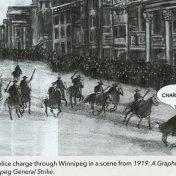
David Lester and the Graphic History Collective Today is the final day of ActiveHistory.ca’s special Theme Week on the 1919 strike wave. It is also the centenary of Bloody Saturday, 21 June 1919, the violent climax of the Winnipeg General Strike. On that afternoon, one hundred years ago, special constables and the Royal North-West Mounted Police, backed by state officials… Read more »
Geoffrey Ewen In 1919, Montreal, Canada’s largest city and a major industrial, manufacturing, commercial and financial centre, was considered a stronghold of craft unionism with strong links to the American Federation of Labor (AFL). The Montreal Trades and Labour Council (MTLC) opposed proposals for a general strike in support of workers in Winnipeg during the General Strike, and Montreal workers… Read more »