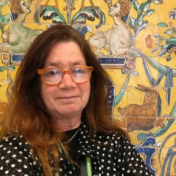
Karen Dubinsky, Professor Emerita of History and Global Development Studies at Queen’s University, brilliant scholar and generous friend to so many, passed away on 4 September 2026 after a brief illness. Karen was a longtime supporter of—and contributor to—Active History. We mourn her loss, even as we celebrate her life. Below are three reflections from friends and colleagues of Karen…. Read more »
Edward Dunsworth While a small but vocal minority of historians have embraced the use of generative artificial intelligence in their research and teaching,[1] many of us find ourselves trying to hold the pedagogical line against what we perceive as serious threats to students’ ability to learn, reason, and express themselves intelligently.[2] In this post, I share my attempts to “teach… Read more »
Christo Aivalis This is the third and final post in the Canada Post and Canadian Culture series. Canada Post and its employees have had an undeniable impact on the culture of this country, both via the artistry and symbolism on stamps, and also as an essential facilitator of communication across a vast and diverse nation. From my perspective as a… Read more »
Daniel R. Meister Recent stories in the CBC revisit the controversy surrounding the appointment of Mary Simon, the first Indigenous person to be appointed Governor General of Canada. Simon, an Inuit woman, was bilingual, fluent in English and Inuktitut, and committed to becoming more proficient French while in office. Despite her efforts, and the fact that the Governor General is not subject… Read more »
Daniel Sims This post is part of the Indian Act 150 series In May 2024, I attended a meeting of Parks Canada’s Indigenous Cultural Heritage Advisory Council in Sydney, British Columbia. One of our agenda items was the federal government’s commemoration of upcoming historical events, including the passage of the Indian Act in 1876. The hope was that we would tell the… Read more »
For the second feature in Active History’s series on Canada Post, we sat down with Evert Hoogers, a retired postal worker, long-time union activist, representative, and organizer with the Canadian Union of Postal Workers. Throughout our interview Evert shared his recollections, memories, and insider knowledge from a long career in postal work and as a labour activist. This interview was conducted… Read more »
By Andrew Nurse This post is part of the Indian Act 150 series. On March 11, 2026, Saskatchewan Court of King’s Bench Justice D.E. Labach issued a summary judgement against Darryl Leroux.1 The issue was whether Leroux, a well-known authority on “self-indigenization,” had defamed Michelle Coupal, a Canada Research Chair at the University of Regina, because he suggested Coupal used a fake… Read more »
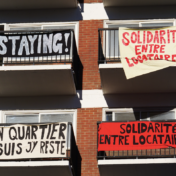
2022 Banner drop by tenants organised with le Syndicat des locataires autonomes de Montréal, Montreal Autonomous Tenants’ Union, (SLAM) This series looks at the different housing crises tenants have experienced across Canada from the 1900s until the present and details how they responded, successfully and unsuccessfully, through tactics of community and/or class-based direct action and structures based in grassroots direct democracy…. Read more »
By Jessica van Horssen Historians aren’t really made to be on film. Or at least not beyond a 15-second “talking head” clip in a documentary, and even then, we can be woefully thrown off-course. As a fan of Diane Morgan’s Philomena Cunk, I’m well-versed in the risks of historians on the screen. This is why I was both excited and… Read more »
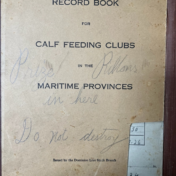
By Sarah Kittilsen In the summer of 2025, I was rifling through a box of uncatalogued materials at the Farm Equipment Museum in Bible Hill, Nova Scotia, when I happened upon an old record book. Tattered and yellowed with age, it had been used by fourteen-year-old Frank Daniels in the early 1930s to document what he expended and earned while… Read more »