Each of these datasets was built to answer a narrower question, by people who never expected their work to end up joined to others. Building a settlement typology out of them is where an LLM came in. I did not use it to generate the findings, but it facilitated my work in merging disparate community sources into one. It helped by converting them into spreadsheets, importing them into a relational database (Neo4j), filtering this database for relevant information, standardizing the data against chronological change, and then effectively and accurately querying the results to answer new questions asked of old material. A census enumerator’s tally sheet, a grain elevator inspector’s license log, and a local history society’s book were never built to talk to each other. Now they can.
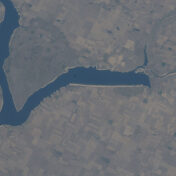
John W. Bessai This is the third post in a series about the Great Acceleration as a framework and reconnaissance for Canadian environmental history. The posts in this series are cross-posted with NiCHE. Lake Diefenbaker concentrates the Great Acceleration within one prairie watershed. It shows how postwar Canada joined environmental transformation, settler state authority, hydraulic control, agricultural expansion, and the reordering of Indigenous… Read more »
https://activehistory.ca/wp-content/uploads/2022/05/History-Slam-215.mp3Podcast: Play in new window | DownloadBy Sean Graham In the past two years, 7 provinces and territories have held elections, with Quebec and Ontario holding campaigns this year. And if that wasn’t enough, Jason Kenney’s resignation earliere this week further thrust provincial politics into the news. While campaigns and leadership changes generate plenty of interest, the pandemic has served as… Read more »
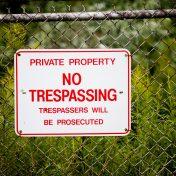
Robin Ganev Recently the government of Saskatchewan strengthened existing trespassing law to the benefit of farmers and to the detriment of Indigenous people. The new laws took effect on Jan. 1, 2022. Under previous legislation, land owners had an obligation to put up posting if they wanted to limit access to their land. Now it is the responsibility of “trespassers”… Read more »
Active History is celebrating its tenth anniversary! As part of our anniversary celebrations we are sharing glimpses of how Active History developed and showcasing our favourite and most popular posts from the past ten years. In 2015 we celebrated seven years of Active History by hosting the New Directions in Active History: Institutions, Communication, and Technologies conference to further conversations about… Read more »
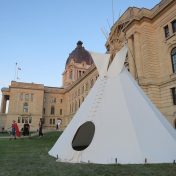
This is the third and final article in a series that places the Justice for Our Stolen Children camp in Regina into historical contexts of tipi camps and settler responses to Indigenous presence on the prairies. The previous two articles can be found (here) and (here). Part Three: The Legacy of White Hegemony and the Future of Reconciliation By Stephanie Danyluk and… Read more »
Molly Swain James (Jim) Brady (1908-1967) was a Métis communist community organizer active primarily in northern Alberta and Saskatchewan in the mid-20th century.[i] He played an instrumental role in the formation of the Métis Association of Alberta (now the Métis Nation of Alberta) and the Alberta Métis Settlements. Over nearly four decades, Brady was also involved in organizing resource cooperatives… Read more »
This is the second post in a series that places the Justice for Our Stolen Children camp in Regina into historical contexts of tipi camps and settler responses to Indigenous presence on the prairies. You can check out the first article in the series (here). The third and final article will be available next Friday. Part Two: Prohibit and Exhibit: A… Read more »
This is the first article in a series that places the Justice for Our Stolen Children camp in Regina into historical contexts of tipi camps and settler responses to Indigenous presence on the prairies. You can check out the second article on October 5th and the third on October 12th. Part 1: Justice for Our Stolen Children Camp: Legislating Indigenous… Read more »
This is the third in a five part series featuring the Lost Stories Project. By Ronald Rudin Mamie Wong left Regina in 1947, never expecting to return. But this all changed when she learned a story about her father that had been largely lost to her family for decades and which is now featured both in a public art project… Read more »