Meredith Terretta (for the uOttawa Antiracist History Group) Too often, a consideration of students has gone missing in conversations about race unfolding on university campuses across Canada this year. It is as if one skill professors have yet to learn is how to actively listen to their students. All of them. Including racialized students for whom our institution, perhaps like… Read more »
By Andrew Nurse Do midterms have any point? Do tests? Quizzes? Finals? These questions outline the scope of a discussion that recently drew considerable discussion among historians on Twitter.[1] The conversation was both apt and timely. It is apt because it goes to the heart of teaching and learning; it is timely because Covid-19 — and a range of other… Read more »
https://activehistory.ca/wp-content/uploads/2021/03/History-Slam-179.mp3Podcast: Play in new window | DownloadBy Sean Graham Every May, the City of Ottawa hosts the annual Tulip Festival to celebrate the relationships built between Canada and the Netherlands during the Second World War. Following the war, the Dutch Royal Family gifted tulips to Canada as a symbol of friendship, in part to commemorates the birth of Princess Margriet… Read more »
https://activehistory.ca/wp-content/uploads/2021/02/History-Slam-177.mp3Podcast: Play in new window | DownloadBy Sean Graham Being in Ottawa, there are unique opportunities for engaging with Canada’s past. One of my favourite is to head to Parliament Hill to explore how the federal government has decided to commemorate Canada’s history. The monuments that surround the parliament buildings offer a pretty clear sign of what those in the… Read more »
https://activehistory.ca/wp-content/uploads/2021/01/History-Slam-175.mp3Podcast: Play in new window | DownloadBy Sean Graham In the 9 years we’ve being doing the History Slam, I’ve constantly been amazed by the variety of ways in which public historians tell the stories of the past. There are so many unique and powerful storytelling techniques that make great use of historical research. One such example is the new… Read more »
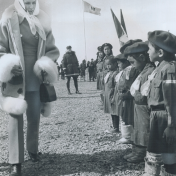
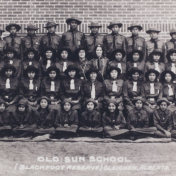
Kristine Alexander and Mary Jane Logan McCallum While – as shown in our previous post – Guiding and Scouting were inextricably linked to British imperialism and settler colonialism, some Indigenous students in Canadian Indian residential schools also found that these organizations provided a refuge in an alien environment and a short break from labour and strict routine. It was an… Read more »
Kristine Alexander and Mary Jane Logan McCallum As we documented in our previous post, looking more closely at the history of Scouting and Guiding reveals that the divide between colonialist violence, fascist discipline, and peaceful pedagogy was not quite as stark as Baden-Powell and his supporters would have us believe. Instead of insisting on the ideological opposition between Scouting and… Read more »
Kristine Alexander and Mary Jane Logan McCallum 2020 has been intense. Living in lockdown, uncertain about the future, watching the body count from Covid-19 and police violence continue to rise. Time, shaped by anger, grief, and fear, moves differently, as the pandemic – like other disease outbreaks before it – exposes and deepens socio-economic divisions and inequalities. Despite the best… Read more »
Laura Madokoro In this tumultuous year, a number of important historical concepts have been at the forefront of debates and discussions about public health, social justice and racial equality. The language of rights has been critical to discussions of individual and collective responsibility in the context of the pandemic (as evidenced in the positions adopted by anti-maskers and anti-vaxxers). The… Read more »
By Thomas Blampied For those following the Canadian railway industry, 2020 was supposed to be a year of celebration. Canadian National Railway (CN), was continuing with its CN100 celebrations to commemorate the 100th anniversary of being bailed out and nationalized by the Canadian government in 1919 (it wasn’t privatized until 1995). The Canadian Pacific Railway (CPR) was to mark the… Read more »