By Aaron Boyes and Sean Graham
After three weeks, hundreds of votes, and some excruciatingly tough matchups, it’s time to determine the most important event of 1922. But before we do that, we have some business to attend to from last week’s Final Four.
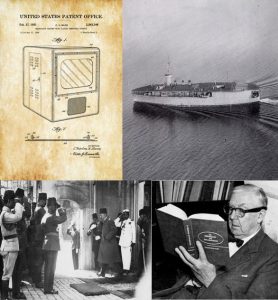
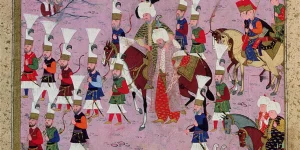 Ottoman Empire Collapses defeats Japan Launches First Purpose Built Aircraft Carrier (22-13)
Vitamin D Isolated ties TV Receiver Patented (10-10)
For the first time ever, we have a tie! Now, we don’t actually have an established tiebreaker procedure, but not having a clear plan has never stopped us before.
After debating for hours, and creating a tie-breaking procedure so convoluted that even the NHL was impressed by its complexity, we asked Aaron’s 6 year-old to pick the winner. And just like the NHL, the fans are likely to be unhappy with the result.
 Editor’s note: I finally got off the plane and made Sean and Aaron actually discuss each event and come up with a way to determine a winner. Ultimately, we decided to go with the total cumulative votes received over the previous two rounds. As a result, TV Receiver Patented is moving on the final.
We submit to you our thoughts, but ultimately the decision is yours. So submit your vote in the poll at the end of the post or add a comment stating which of these events you think deserves to be crowned the most important event of 1922.