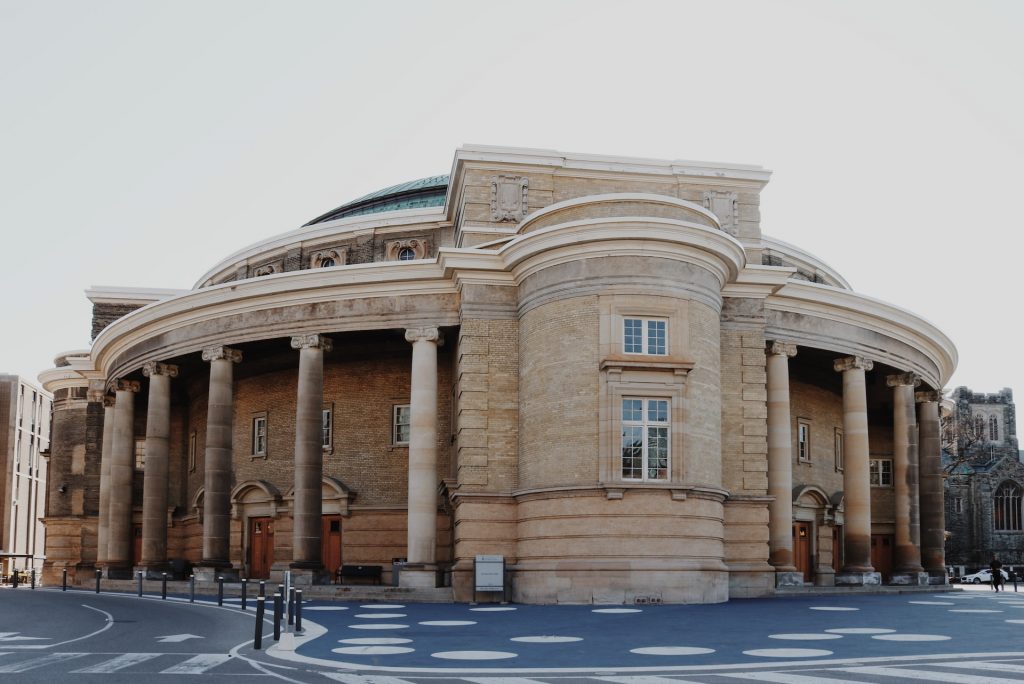
Convocation Hall, University of Toronto. Credit: Kara M, via Unsplash.
By Catherine Carstairs
The report of the CHA Task Force on the Future of the History PhD in Canada is now available (in English and in French). This is the fifth in a series of posts by Task Force members, offering their perspectives on selected themes from the report. Activehistory.ca encourages readers to join in the conversation, either in the comments or on social media, or by submitting a response piece to be considered for publication upon the series’ completion.
For the past year, I’ve been lucky to work with an amazing group of colleagues on the CHA Task Force on the Future of the History PhD, including Will Langford and Sam Hossack, whose posts in this series preceded mine. As Will and Sam have articulated, one of our key concerns was the lack of academic jobs and the paucity of funding, especially in the later stages of the degree program.
One of the issues that I helped to investigate was whether or not better supervisory practices could improve the student experience, speed the time to completion, ensure greater diversity among PhD students, and encourage groundbreaking scholarship. Supervisors cannot change the bleak academic job market for recent PhD graduates, and we have little direct control over the funding provided to PhD students. We can and should lobby for better funding and against the growing precarity of the academic workforce, but we can also work to ensure that our students complete in a reasonable period of time and are producing valuable scholarship that has meaning inside and outside of the academy. We can help our students articulate the skills that they have learned through the PhD, and we can make our departments more welcoming to people who have long been excluded from our profession.