https://media.rss.com/whatsoldisnews/2025_05_06_22_37_16_425192c6-9b95-415b-bc74-6bb72d0f17b8.mp3Podcast: Play in new window | DownloadBy Sean Graham I’m is joined by Sarah E.K. Smith, author of Trading on Art: Cultural Diplomacy and Free Trade in North America. We talk about Sarah’s interest in cultural diplomacy, what constitutes art in the context of free trade, and how cultural policies shaped artistic and curatorial expression at the end of the… Read more »
While it’s true that more misinformation is flooding our algorithms with every passing day, it’s much more difficult for that misinformation to wind its way into complex, well-researched work. Amidst all the falsity that pollutes our social channels, perhaps blogging, for historians, can become a form of resistance against that tide.
Sara Wilmshurst This post continues my conversation with Corey Slumkoski (Acadiensis Blog), Tom Peace (Active History), Samia Dumais (Histoire Engagée), and Jessica DeWitt (NiCHE’s The Otter – La Loutre). For more, see our series page of Essays on the Future of Knowledge Mobilization and Public History Online. SW: Which challenges does your project face today? TP (AH): Relevance. Active History… Read more »
James Cairns “It is exceptionally difficult to grasp the present as history.”[1] Thus begins David McNally’s book on the 2008-09 financial crisis. In everyday usage, the present means now, this instant. History is what happened in the past, and the future is time yet to come. The real relationship of past, present, and future, however, is far more fluid and… Read more »
Sara Wilmshurst After the Future of Knowledge Mobilization and Public History Online workshop in August 2024, I wanted to hear more about each project’s history, structure, and plans for the future. Workshop participants Corey Slumkoski (Acadiensis Blog), Tom Peace (Active History), Samia Dumais (Histoire Engagée), and Jessica DeWitt (NiCHE’s The Otter – La Loutre) kindly answered my questions. For more,… Read more »
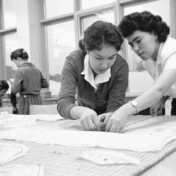
Our findings are not unique to YWCA Canada. We know that similar work in Residential Schools and Indian Hospitals was carried out by service organizations and philanthropic societies across Canada. We believe our report joins the important work of many others who seek to move the history and ongoing impact of Residentials Schools and Indian Hospitals beyond the narrow scope allowed by the Indian Residential Schools Settlement Agreement.
https://media.rss.com/whatsoldisnews/2025_04_10_15_56_48_9905e30a-3522-4a12-a309-582c107bb527.mp3Podcast: Play in new window | DownloadBy Sean Graham This week, I talk with Barbara Messamore, author of Times of Transformation: The 1921 Canadian General Election about one of Canada’s turning point elections. We discuss the post-war economy’s, including tariffs, role in the campaign, how suffrage influenced the election, and the emergence of William Lyon Mackenzie King on the national… Read more »
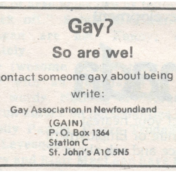
A Conversation with Sarah Worthman Sarah Worthman is executive director of the NL Queer Research Initiative (NLQRI), a social science research collective based out of Newfoundland and Labrador. In February 2025, she sat down to talk with series editor Jess Wilton about her work on queer history in the province. Jess Wilton: What type of work do you do at the NLQRI? Sarah… Read more »
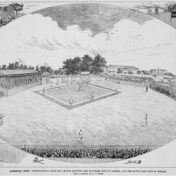
By Owen Griffiths and Andrew Nurse Another baseball season upon us so it seems like a good time to revisit some of the best baseball books ever written. No sport is as connected to — or immersed in — history as baseball and no sport can boast as powerful a lineup of literary figures. From Ring Lardner, Roger Angell, and… Read more »
Overall, we believe that Canadians can, and should, scrutinize Robert Carney’s past views on schooling for Indigenous Peoples, press Mark Carney to clarify his commitment to truth and reconciliation, and challenge the twisting of truth by residential school denialists. Doing all of these things can demonstrate truth and reconciliation leadership and help build a more honourable future. Unlike the denialists, then, our task is to guide public understanding with nuanced, historical work that promotes empathy, understanding, healing, and justice.